
![[object Object]](/_next/image?url=https%3A%2F%2Fcdn.sanity.io%2Fimages%2Fw75voqed%2Fproduction%2Fd5df5a0315c78e4229035c4d75d5f1eb9a824ebe-328x316.png&w=3840&q=75)
If you are looking to restore your smile, dentures can be a fantastic option. One of the most important aspects of getting dentures is ensuring they feel comfortable. This extends to how they feel in your mouth when you are enjoying daily life—sitting down for a meal with friends and family, or going out and socializing. People have sometimes said that dentures can be uncomfortable or present difficulties when you are eating or speaking, but they don’t have to be. With the guidance and expertise of your dentist, your dentures can be custom-fitted. Explore our affordable dentures and experience a secure and comfortable fit that lets you live confidently and comfortably every day. Your perfect smile is just a consultation away!
Denture Adjustments vs Denture Relines
Denture adjustment and denture relining are two procedures performed by your dentist, which both have the same goal: ensuring that your dentures are perfectly optimized to fit your gums, any natural teeth you have, and the shape of your jaw. However, these procedures are slightly different in the following ways:
What Is a Dental Adjustment?
Adjustments are minor changes that are made by the dentist to help your dentures fit better in your mouth.
What Is a Denture Reline?
Relining involves your dentist taking a more in-depth look at your dentures, making more significant changes to improve the fit.
Your dentist will take a new impression of your teeth and gums, and use this to reshape the surface of your dentures that aligns with your gums. This process includes adding additional material to ensure the dentures sit comfortably and securely in your mouth. For more information on how we can help, explore our dentures.
Types of Denture Relines
This can take two different forms - hard relining and soft relining.
What Is A Hard Reline For Dentures?
Hard relining is a process in which your dentist removes a small portion of the material that sits alongside your gums, and then adds new acrylic to reshape the dentures so they fit perfectly.
What Is A Soft Reline For Dentures?
Soft relining, on the other hand, uses a softer material, making it ideal for people with sensitive gums, as it provides a more cushioned and comfortable fit.

7 Signs Your Dentures Need To Be Adjusted Or Relined
If you are wondering whether you need to visit the dentist for a denture adjustment or reline appointment, there are a few symptoms to look out for that could indicate that your dentures are currently not fitting properly.
- Your dentures feel uncomfortable
- Your dentures slip or shift in your mouth
- It’s difficult to speak or eat without your dentures moving
- Your dentures rub against your gums, causing discomfort or even bleeding.
- It’s painful to insert or remove your dentures
- Your bite feels misaligned in a way that it did not previously
- You find yourself using denture adhesive more often to keep your dentures in place
These symptoms suggest that your dentures may need professional adjustment to ensure a comfortable and secure fit. However, if adjustments or relining can no longer solve the issue, it might be time to consider a full replacement. Learn more about the signs it’s time for replacement dentures and how we can help you achieve the perfect fit.
What You Can Do At Home To Maintain A Comfortable Fit
Some factors that may influence how often you need a denture adjustment are beyond your control, such as natural changes in the shape of your jaw due to aging or tooth loss. However, there are steps you can take at home to help maintain the fit of your dentures.
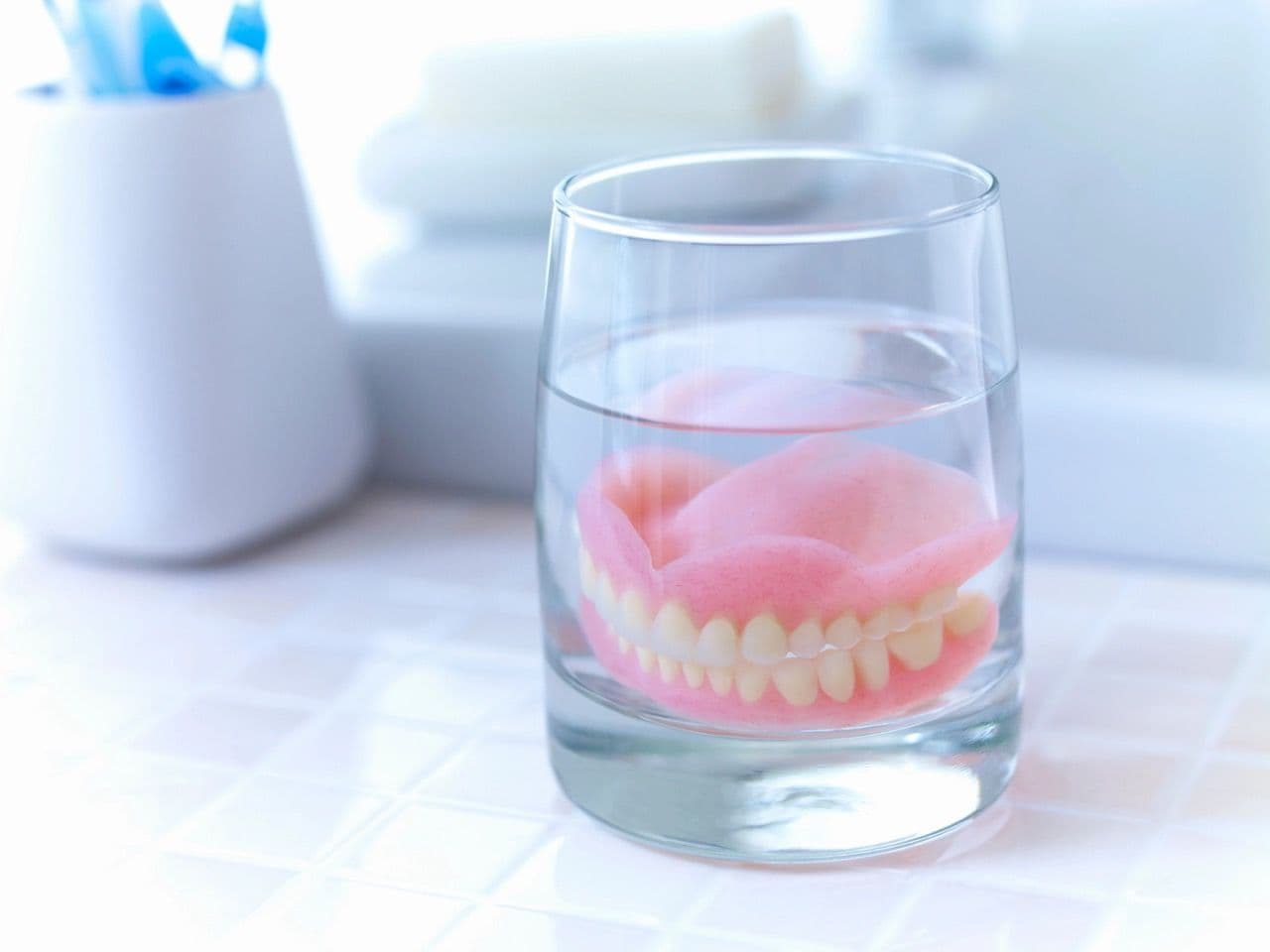
Soak Your Dentures Overnight
Soaking your dentures overnight in water keeps them moist, which helps them maintain their shape. Additionally, soaking them at least once a week in a special denture cleansing solution will help keep them clean and fresh.
Give Your Gums A Break
Another reason why you should soak your dentures overnight is because it will give your gums a break. When you wear your dentures the pressure on your gums helps them stay in place - but if you don’t let your gums rest, this constant pressure could cause painful gum sores and even increase the rate of bone loss in your jaw. It’s also important to be aware of the difference between gingivitis or periodontitis, as sore gums could be a sign of more serious gum disease.
Handle Your Dentures Carefully
Be careful when you hold your dentures to clean them. If dropped, they could break, and there is also the risk that they could bend out of shape.
Don’t Soak Your Dentures In Hot Water
Depending on the type of dentures you have, if you soak them in water that is too hot or even boiling, they might bend out of shape, reducing the quality of their fit.
How Are SnapSecure Dentures Different?
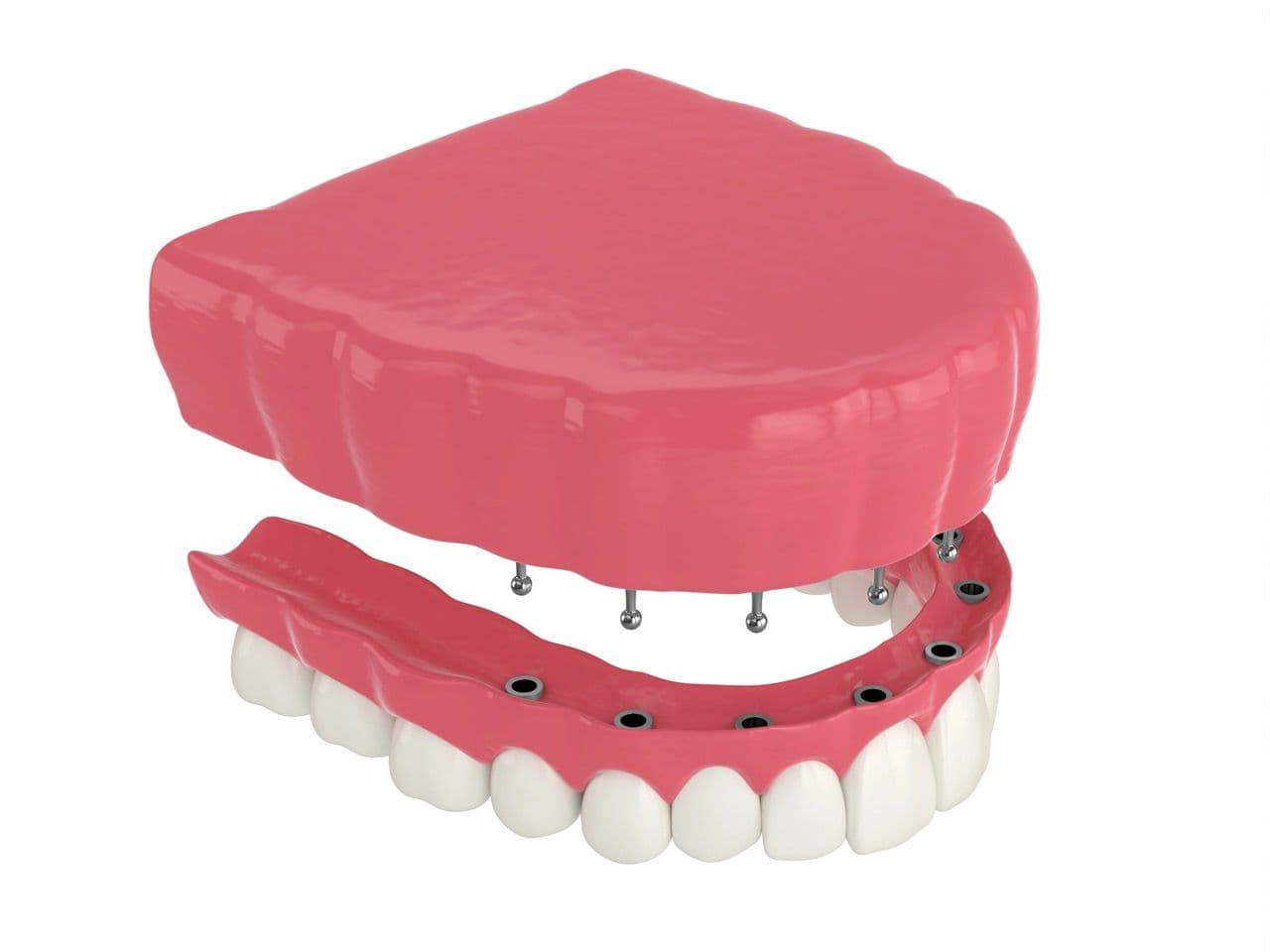
Snap-in dentures, or removable implant overdentures, use a unique mechanism to stay securely in place. Unlike traditional dentures that rely on your gums, snap-in dentures are attached to titanium posts that are implanted into your jaw. This design means maintaining them at home is a little different, as they are not fitted to your gums, and instead are attached to the implanted posts.
One benefit is that you'll never need to use denture adhesive to prevent these dentures moving around. If you’re interested in this option, schedule a consultation with your dentist to explore the benefits of SNAPSecure dentures today.
Schedule A Consultation
If you are considering getting dentures, or if you currently have them and think you may need denture relining or adjustments, contact your local Affordable Dentures & Implantspractice today.
