
![[object Object]](/_next/image?url=https%3A%2F%2Fcdn.sanity.io%2Fimages%2Fw75voqed%2Fproduction%2F6d59a9e9cd2efdbc7413f6ddbc9f2c770d9377c7-6000x4000.jpg&w=3840&q=75)
A sudden crack against a hard piece of popcorn can leave you staring at a chipped tooth and wondering what to do next. A chipped tooth can happen during a sporting accident, when you bite down on hard objects, or from decay. Whether it’s a tiny nick in the enamel or a significant chunk of a front tooth missing, you don’t have to live with a jagged edge. Today’s dental techniques offer solutions for every size of chip.
In this post, we’ll walk you through:
- Immediate steps and quick fixes to protect your tooth after a chip like a bonding
- Treatment pathways including enamel polishing, crowns, bridges, single-tooth implants, partial dentures and more
- Realistic cost ranges and what factors affect your out-of-pocket expense
- What to expect in terms of comfort, timelines, anesthesia, and follow-up visits
- Tips to keep your repair strong, plus when to call your dentist
By the end, you’ll know exactly how to fix a chipped tooth, and which option fits your budget.
What to Do With a Chipped Tooth
The moment you discover a chip, time matters. Begin with immediate aftercare. Quickly rinsing with warm water clears debris, while placing a cold compress against your cheek eases any immediate pain or swelling. If fragments of your tooth break off, gather them in a clean container; your dentist may be able to bond them back in place.
Call your dentist within 24 hours, as even small chips can expose sensitive inner layers and lead to decay, infection, nerve exposure, and pain if left untreated. While you wait, you can cover any sharp edges with dental wax (available at drugstores) to protect your tongue and cheeks. Over-the-counter ibuprofen or acetaminophen will help control discomfort.
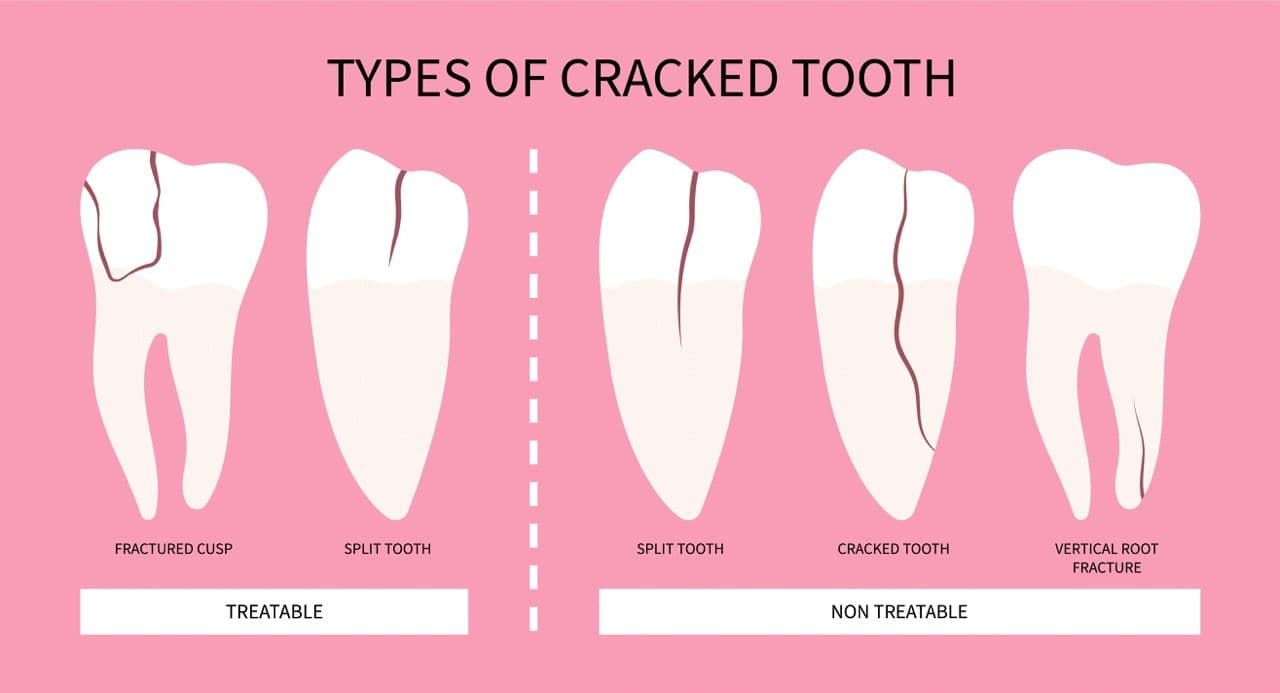
Exploring Chipped Tooth Treatment Options
Fixing a chipped tooth isn’t one-size-fits-all. The ideal treatment solution depends on how much tooth structure is missing and where the chip is located. Here’s how the options stack up.
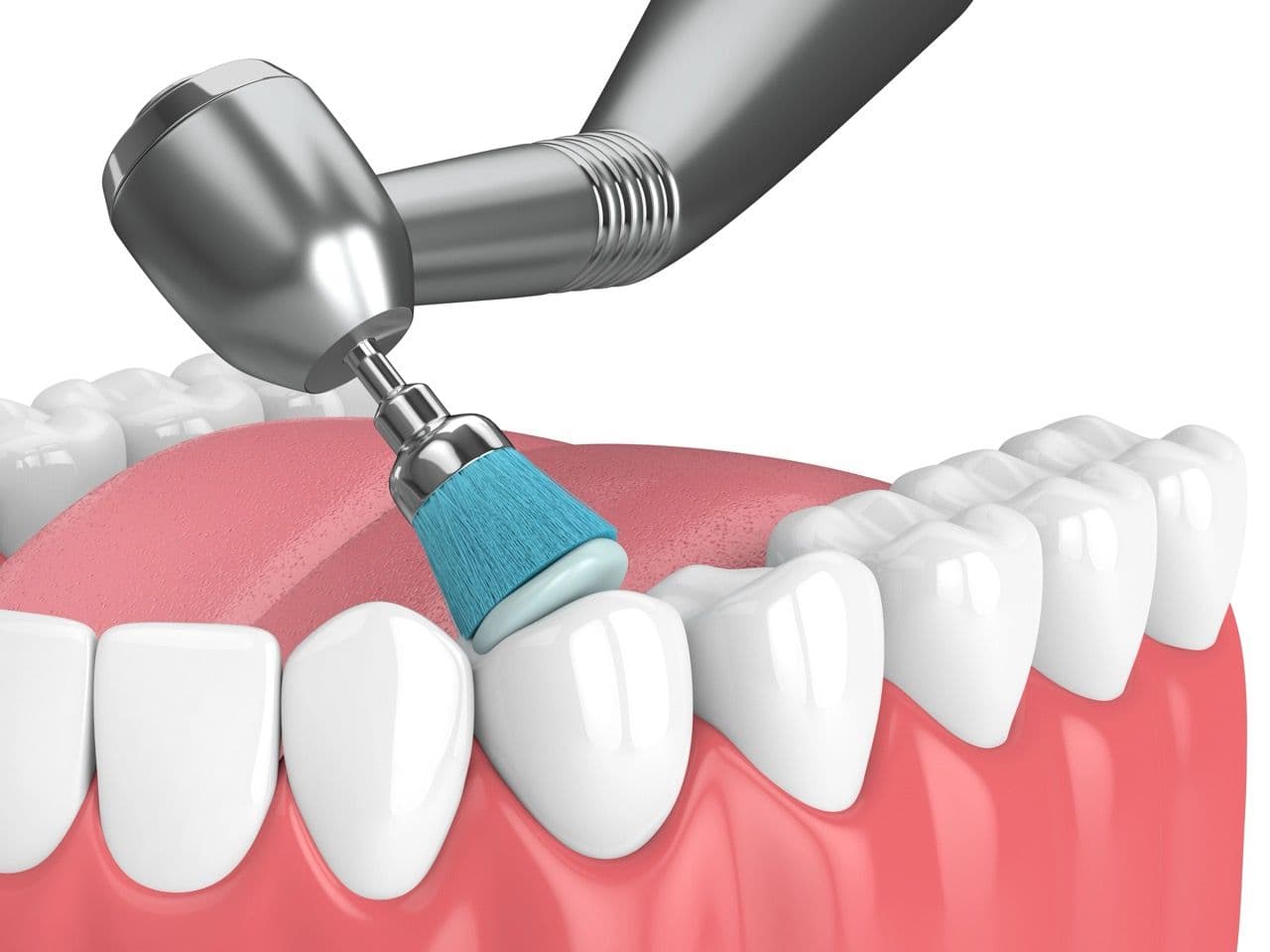
Enamel Recontouring/Polish
For tiny edge chips (think hairline nicks) your dentist can simply smooth and polish the enamel. In just a few minutes without anesthesia, the surface irregularity disappears. This gentle approach costs under $100 and preserves all your natural tooth.
Composite Bonding/Filling
Composite bonding is how to repair a chipped tooth when a small to moderate sized piece of tooth is gone. Tooth-colored resin is sculpted to replace the missing enamel, then cured with a special light. In a single, painless visit (often needle-free), you’ll leave with a seamlessly repaired tooth. Bonding runs approximately $150–$350 per tooth and typically lasts 3–5 years before a touch-up is needed.
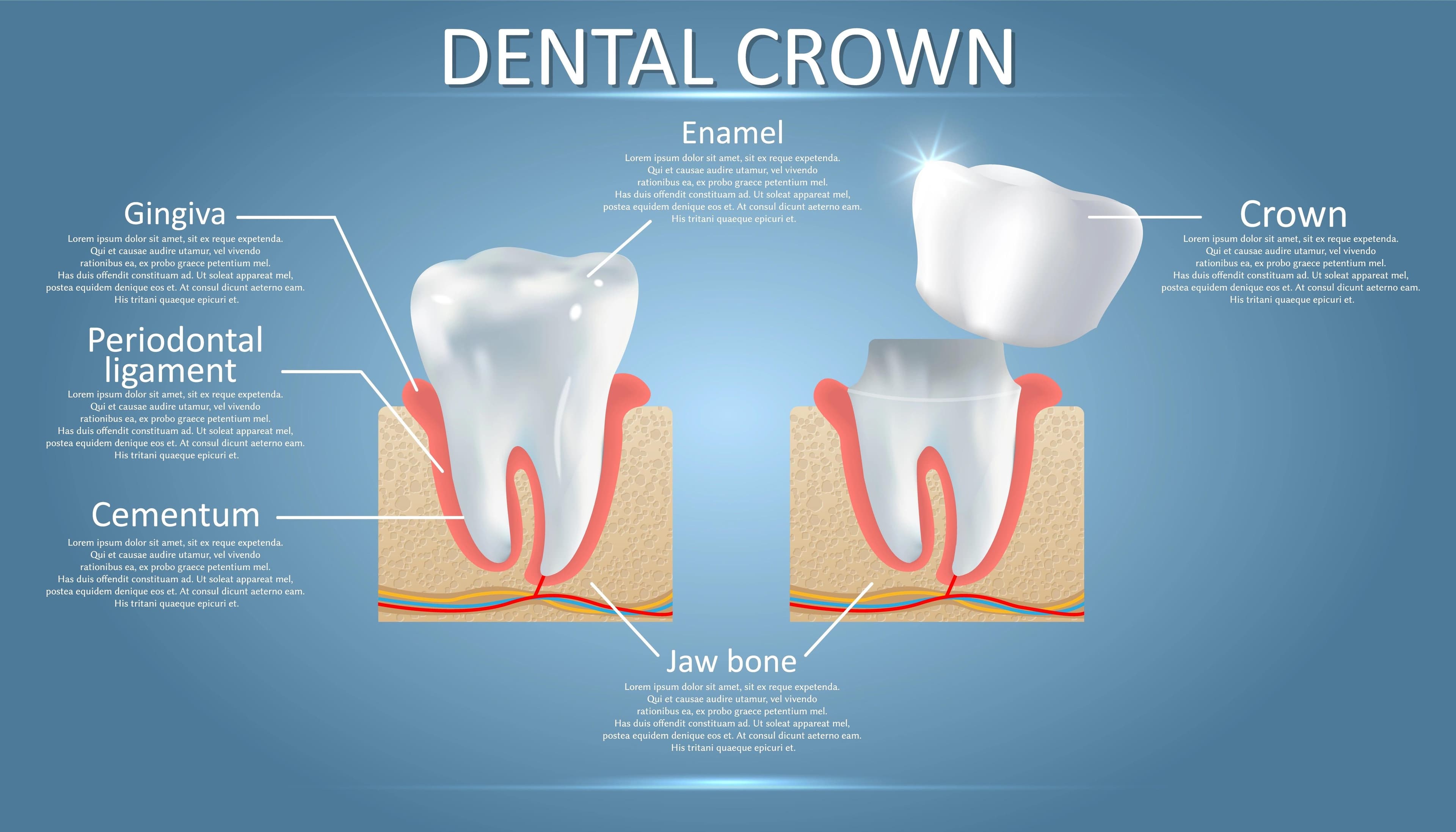
Full Crown or Onlay
If the chip is large or if the tooth has already had a root canal, a crown or onlay may be needed. Crowns cap the entire visible tooth, while onlays cover just the damaged portion. Crowns and onlays are usually made of porcelain-fused to metal or zirconia. You’ll typically schedule two visits. During the first visit, the dentist prepares the tooth. And during the second, the dentist places a custom restoration. Same-day crowns using in-office CAD/CAM technology may also be an option. You might invest $1,000 or more per crown but enjoy 10–15 years of protection.
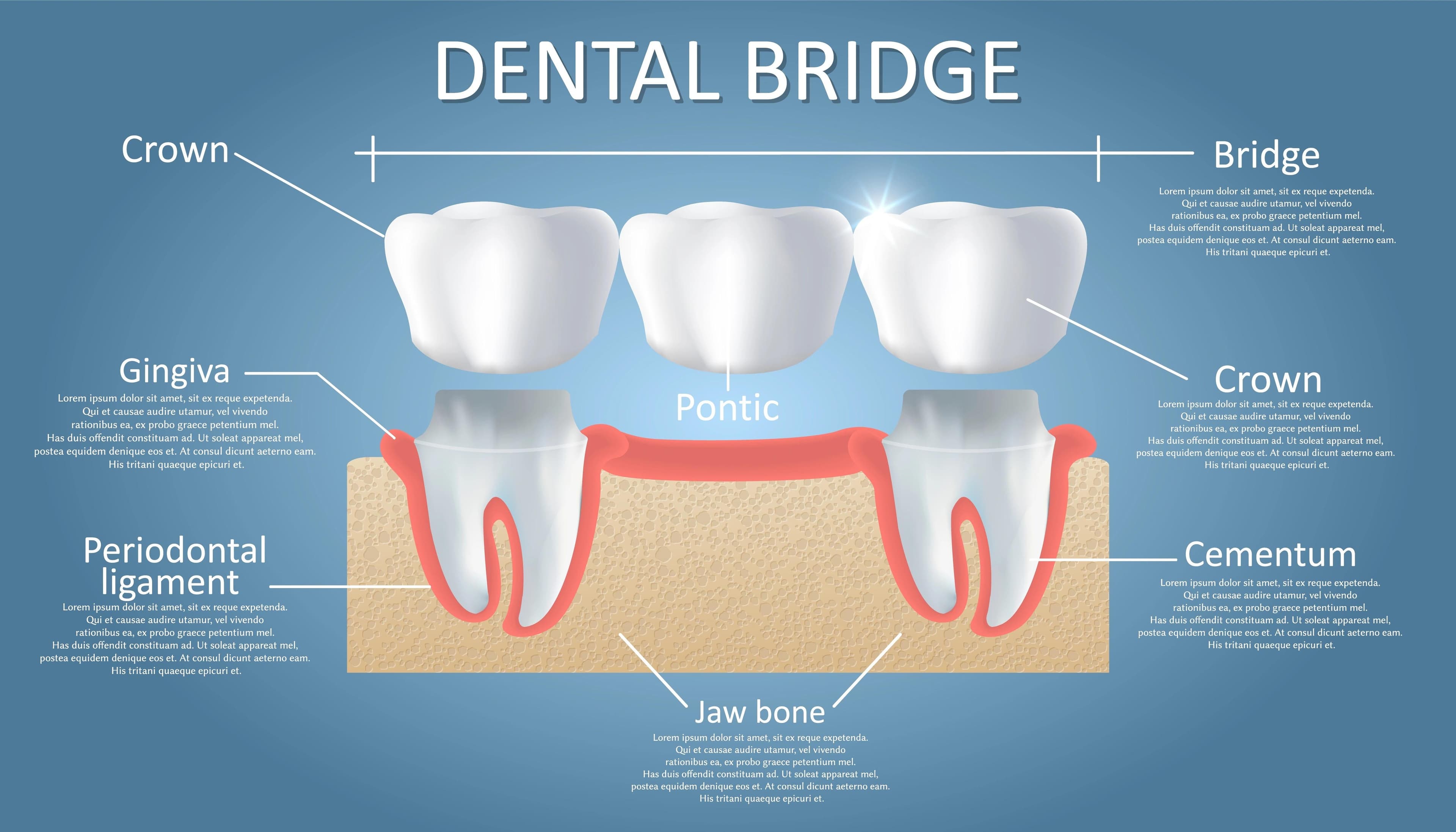
Bridge
When a fracture makes the tooth non-restorable, extraction followed by a three-unit bridge can fill the gap. The adjacent teeth are shaped for crowns that hold a false tooth in place. This non-surgical solution avoids implants but does involve altering healthy teeth. Bridges generally cost $1,500–$3,000, with a lifespan around 10 years.
Extraction + Partial Denture
For a quick and economical fix, a removable “flipper” partial denture offers a temporary tooth replacement. Made of acrylic, it clips in place and can be fabricated within days. Flippers cost $300–$800 but are meant as short-term solutions while you consider a longer-lasting option like a cast-metal partial denture.
Extraction + Single-Tooth Implant
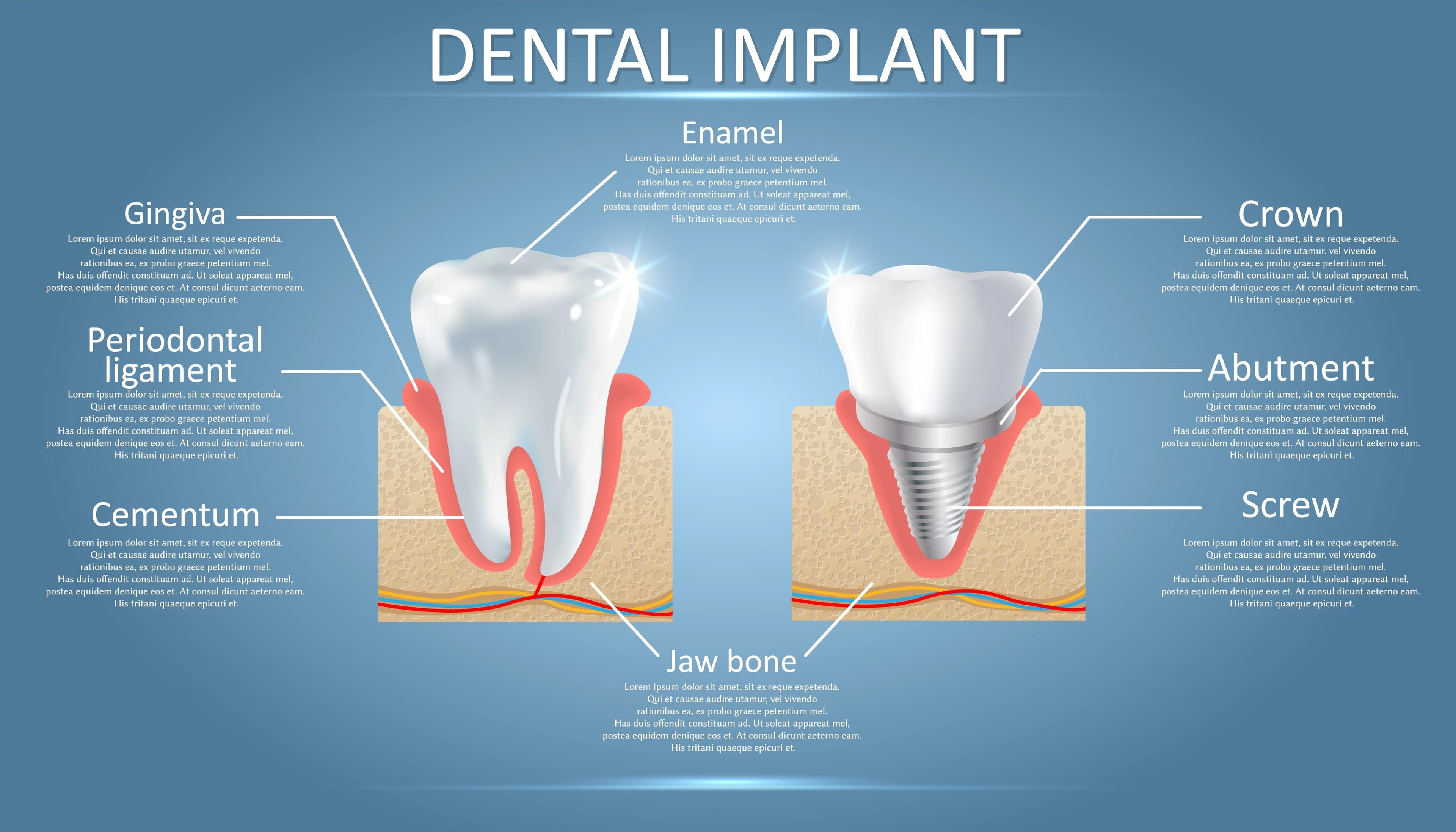
A dental implant topped with a crown is the most durable, natural-feeling replacement. It preserves jawbone health and can last a lifetime with proper care. The process involves extraction, optional bone graft, implant placement, healing (3–6 months), and crown attachment. Anesthesia is an option during surgery for patient comfort. These procedures span multiple visits over several months. The total cost typically ranges from $2,500 to $5,000+, but it’s an investment in a smile that looks, feels, and functions like your own tooth.
Cost Comparison Table
| TREATMENT | APPROXIMATE COST | LONGEVITY | VISITS |
|---|---|---|---|
| Enamel Recontouring | <$100 | Permanent polish | 1 |
| Composite Bonding | $150–$350 | 3 – 5 years | 1 |
| Crown/Onlay | $1,000+ | 10 – 15 years | 1 – 2 (for same-day) |
| Bridge (3-unit) | $1500–$3000 | ~10 years | 2 |
| Flipper Partial Denture | $300–$800 | <1 year | 1 |
| Single-Tooth Implant | $2,500–$5,000 | 20+ years | 3 – 4 over 3 – 6 months |
Keep in mind that insurance may cover part of the cost, especially for crowns or bridges, if deemed medically necessary. Affordable Dentures & Implants also offers flexible payment plans and financing to help you choose the best option without compromising quality.
Pain, Anesthesia & Visit Count
Most patients worry about discomfort and the number of appointments required to repair a chipped tooth. Here’s what you can expect:
When you opt for enamel recontouring or composite bonding, the procedure is often completely needle-free. Your dentist applies a gentle etch to the enamel, sculpts the tooth-colored resin, and cures it with a special light. Because no drilling or injections are needed, you’ll feel only minimal vibration or pressure, hardly more than a routine cleaning, and you’ll be out the door in a single visit.
If your tooth needs a crown or bridge, your dentist will numb the area with a local anesthetic. You may feel subdued pressure as we shape the existing tooth or teeth, but pain is kept to a minimum. Mild soreness is common once the anesthesia wears off, but most patients manage it easily with over-the-counter ibuprofen or acetaminophen. Crowns and bridges typically require one to two visits.
For dental implants or bone grafts, we offer both local anesthesia and optional sedation (oral or IV) to ensure comfort throughout the surgical phases. After your procedure, it’s normal to experience some soreness and swelling that peaks around days three to five. Most people find they can return to light activities within a day or two, and any discomfort is well controlled with prescribed or OTC pain medication. Implant treatment spans multiple visits, usually three to four appointments over three to six months, allowing time for healing.
If you’re interested in same-day solutions, ask us about CAD/CAM crowns. Using in-office digital scanning and milling, we can prepare and place a fully contoured ceramic crown in just one appointment, eliminating the need for a temporary cap and a second visit.
After-Care & Prevention
Taking a little extra care in the days following your repair is the key to long-term success:
For the first 24 hours, stick to a soft-diet (yogurt, applesauce, and smoothies sipped with a spoon, not a straw). Hot, crunchy, or sticky foods can disturb a fresh bond or irritate the surgical site.
Avoid chewing on hard or chewy items like ice, popcorn, or nuts until your dentist gives the all-clear. If you grind your teeth at night, wearing a night-guard will protect your new restoration from undue stress and prevent future chips.
Maintain gentle but thorough hygiene. Use a soft-bristle brush to clean around the repaired tooth, and steer clear of stain-causing foods and beverages, such as coffee, tea, or red wine, especially if you’ve had composite bonding. A warm saltwater rinse once a day can help keep the area clean without risking damage.
Finally, don’t skip your follow-up appointments. If you notice any rough edges, persistent sensitivity, or cracks in the repair, schedule a check-up right away. Early adjustments save you discomfort and keep your smile looking its best.
Why Choose Affordable Dentures & Implants
At Affordable Dentures & Implants, our restorative experts handle every step, from a quick bonding touch-up to full implant surgery, all in one place. We’re committed to:
- Transparent, competitive pricing and financing plans
- Experienced restorative team can do implants and partial dentures under one roof
- Same-day crowns with advanced CAD/CAM technology
- Comfort options, including nitrous oxide and IV sedation
- Long-term support to keep your smile healthy
Don’t let a chipped tooth hold you back. Book your free dentist consultation today and discover the most effective, budget-friendly way to restore your smile.
Need to Fix a Chipped Tooth?
Don’t wait for a small chip to turn into a more complex and costly problem. Acting quickly keeps repair options affordable and minimally invasive. Ready to restore your smile? Find your nearest Affordable Dentures & Implants location or call 1-800-DENTURE to schedule your free consultation and get back to smiling with confidence.
