
![[object Object]](/_next/image?url=https%3A%2F%2Fcdn.sanity.io%2Fimages%2Fw75voqed%2Fproduction%2F3dce31e53a78d07c85b4934bb0b520c610aa9485-5616x3744.jpg&w=3840&q=75)
It’s natural to feel nervous about having surgery, especially when it involves your mouth. Dental surgery covers many procedures, from simple tooth removals to more advanced treatments, and knowing what to expect can ease your anxiety. These surgeries are very common and are performed every day to fix problems like decayed or missing teeth, gum disease, or jaw issues.
In fact, correct treatment improves oral health and function and prevents more serious complications later. With today’s anesthesia and pain management, most patients feel remarkably little discomfort during the procedure, and recovery is usually straightforward. Read on to learn about each type of dental surgery, how to prepare, and how it can set you on the path to a healthier, more confident smile.
What Is Dental Surgery?
Dental surgery refers to any surgical procedure on the teeth, gums or jaw. These procedures include everything from pulling a tooth to rebuilding bone or adjusting jaw alignment. Surgery includes minor outpatient procedures (like tooth extraction) and more complex treatments (like jaw realignment or grafting) performed by oral surgeons. These procedures may be done to treat infection, relieve pain, improve function, or enhance the appearance of your smile.
- General dental surgery typically includes treatments your dentist performs in-office, such as extractions, root canals, and placing crowns or implants.
- Oral surgery is a specialty focused on surgical procedures involving the mouth and jaw. This includes complex extractions (like impacted wisdom teeth), implant placement, and bone grafts.
- Maxillofacial surgery is a more advanced medical specialty that treats conditions affecting the entire face, jaw, and skull. Maxillofacial surgeons may correct jaw misalignment, treat facial trauma, remove cysts or tumors, or assist in reconstructive surgery.
No matter the type of surgery, your provider will explain your options and ensure you’re referred to the right specialist if your needs go beyond general dental care.
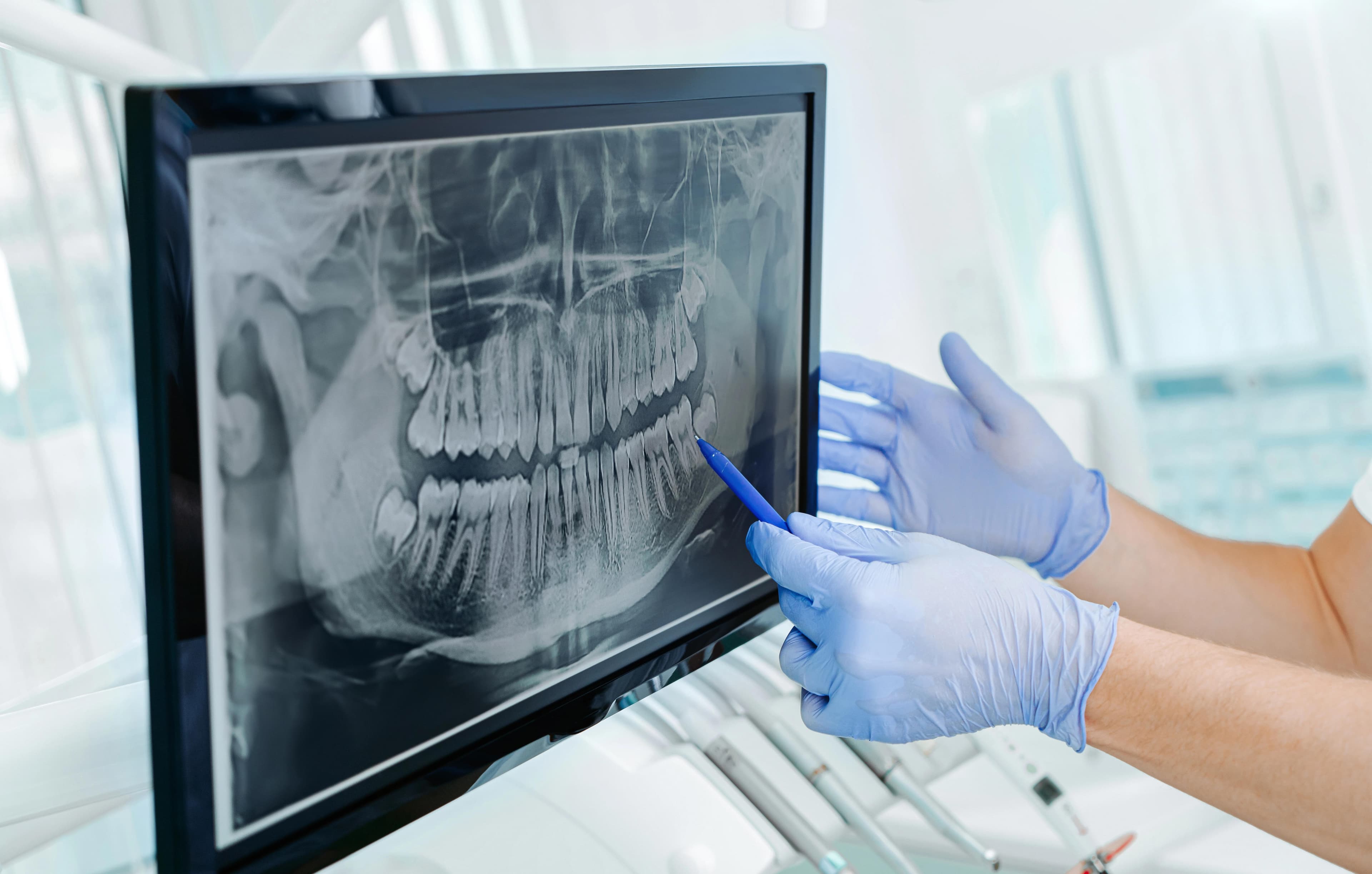
Common Reasons for Dental Surgery
Many patients wonder, “Do I really need surgery?” The short answer is: only when it improves your oral health, function, or quality of life. Dental surgery is often recommended when a condition can’t be treated with non-surgical methods, or when early intervention can prevent long-term damage. Here are some common reasons a dentist or oral surgeon might recommend dental surgery:
Impacted or Overcrowded Teeth
When teeth don’t erupt properly, especially wisdom teeth, they can become impacted, meaning stuck under the gums or growing at the wrong angle. Overcrowding can also make it hard to clean between teeth, raising the risk of decay and gum disease. Surgery helps create space, relieve pain, and prevent future complications.
Severe Tooth Decay or Infection
If a cavity has spread deep into the tooth or caused an abscess, surgical extraction or root canal therapy can remove infected tissue and stop the spread. Surgery can also help preserve the surrounding bone and gums, especially if the infection has reached the root.
Missing Teeth (Tooth Loss)
Tooth loss can happen due to trauma, decay, or gum disease. Replacing missing teeth with dental implants or bridges often involves a surgical step, such as placing a titanium post into the jawbone. These procedures restore chewing ability and prevent bone loss in the jaw.
Periodontal Disease and Gum Recession
Advanced gum disease can damage the bone and tissues that support your teeth. Surgical treatments like gum grafts, flap surgery, or bone regeneration can save your natural teeth and protect your overall oral health. These procedures also help improve the appearance of receding gums.
Jaw Alignment Issues or Facial Trauma
Some patients have misaligned jaws that affect how they chew, speak, or breathe. Others may suffer facial injuries that require surgical repair. Orthognathic (jaw) surgery can correct bite issues, relieve pain, and improve facial symmetry. Surgery also helps repair broken bones or restore function after trauma.
Oral Tumors, Cysts, or Congenital Defects
Dentists recommend surgery to remove oral growth like benign tumors, cysts, or other abnormalities. In more complex cases, such as a cleft palate, surgery can improve speech, eating, and facial development. These procedures are typically handled by maxillofacial surgeons with specialized training.
TMJ Dysfunction
TMJ (temporomandibular joint) disorders can cause jaw pain, headaches, and difficulty opening or closing your mouth. If conservative treatments like splints or physical therapy don’t work, TMJ surgery can improve joint function and reduce chronic discomfort.
Sleep Apnea Correction
In some cases of obstructive sleep apnea, soft tissues in the mouth or throat block the airway during sleep. If non-surgical treatments like CPAP fail, oral surgery, such as soft palate reshaping or jaw advancement, can improve airflow and reduce symptoms.

Types of Dental Surgery
Learn about the most common types of dental surgeries, including: tooth extractions, wisdom tooth removal, dental implants, bone grafts, gum grafts, root canals, corrective jaw surgery, and maxillofacial & trauma surgery.
Tooth Extraction
A tooth extraction is the removal of a tooth from its socket in the jaw. Dentists extract teeth that are badly decayed, infected (such as from an abscess), badly broken, impacted (stuck under the gum, like wisdom teeth), or overcrowded. During the procedure you’ll receive a local anesthetic, so you don’t feel pain.
For a routine extraction, the dentist uses instruments to loosen the tooth and pull it out. Complex cases (such as impacted wisdom teeth) may require a small incision and sutures. Afterward, a gauze pad is placed to help a blood clot form.
You’ll likely have some soreness or swelling as the anesthesia wears off, but your dentist will recommend pain relievers (often ibuprofen or acetaminophen) to manage it. The socket typically heals in 1–2 weeks. Following your dentist’s aftercare tips, like resting, using ice packs, and eating soft foods will help ensure a smooth recovery.
Wisdom Tooth Removal
Wisdom teeth (your third set of molars) typically emerge in your late teens or early 20s. For many people, these teeth don’t have enough room to come in properly, which can lead to pain, crowding, or infection. In these cases, a dentist or oral surgeon may recommend wisdom tooth removal.
Why They’re Removed
- Impaction: Wisdom teeth may remain trapped under the gums or grow sideways. This can cause swelling, jaw stiffness, or damage to nearby teeth.
- Pain and Pressure: Even partially erupted wisdom teeth can push against neighboring teeth, leading to discomfort, headaches, or bite problems.
- Infection or Decay: Because they’re hard to clean, wisdom teeth are more prone to decay and gum disease, even if they erupt normally. Removing them early can prevent future dental complications.
Sedation vs. General Anesthesia
Most wisdom tooth extractions are performed in-office with local anesthesia (to numb the area). Sedation options are available, depending on the patients’ level of anxiety:
- Nitrous oxide (laughing gas): Keeps you calm during the procedure while remaining awake.
- Oral or IV sedation: Helps you feel sleepy or lightly asleep while still breathing on your own.
- General anesthesia: Used in more complex cases, especially if all four teeth are removed at once or if impaction is severe. You’ll be fully unconscious and monitored throughout.
Your dentist or oral surgeon will help choose the safest and most comfortable option based on your medical history and level of anxiety.
Recovery Tips & Risks
Healing usually takes about 7–10 days. Common side effects include swelling, mild bleeding, jaw stiffness, and discomfort. Most patients return to school or work within a few days. Here are some key recovery tips:
- Use ice packs for the first 24–48 hours to reduce swelling.
- Eat soft, cool foods like yogurt, applesauce, and mashed potatoes.
- Avoid straws, smoking, or vigorous rinsing to prevent dry socket.
- Take pain relievers as directed and get plenty of rest.
Complications are rare but can include dry socket (loss of the blood clot), infection, or nerve irritation. Following your surgeon’s instructions closely is the best way to ensure smooth, comfortable healing.
Dental Implants
Dental implants are replacement teeth anchored permanently in your jaw. An implant consists of a titanium post that a surgeon implants into the jawbone to serve as an artificial tooth root. Implants are used to replace one or more missing teeth, and they look and function like natural teeth.
Implants are surgically placed in the jawbone, and, over time, the bone heals around them in a process called osseointegration. This process makes implants very stable. They typically do not affect neighboring teeth or cause bone loss. The implant process usually involves three phases: placing the implant post, allowing the bone to heal around it (which can take a few months), and finally attaching a custom-made crown (replacement tooth) to the post.
Patients can generally eat soft foods initially and later return to a normal diet once healing is complete. Most people tolerate implant surgery very well, and after recovery they enjoy restored chewing function and a confident smile
Dental Bone Graft
Bone grafts rebuild or strengthen the jawbone, often in preparation for a dental implant. When teeth are missing for a long time, the bone in that area can shrink or weaken. A bone graft adds material to support future implants and restore the natural contours of your jaw.
To successfully place a dental implant, your jawbone needs to be strong and thick enough to hold the implant post securely. If there’s not enough healthy bone, a graft provides a stable foundation so the implant can heal properly and last long-term. Bone grafting is also used after extractions or to reverse bone loss caused by gum disease.
Types of Bone Grafts
There are several types of graft materials, and your dentist or oral surgeon will choose the best option based on your needs:
- Autograft: Uses bone from your own body, typically the chin or hip. This is often considered the gold standard because it’s your own living tissue.
- Allograft: Uses processed bone from a human donor. It’s safe, effective, and avoids the need for a second surgical site.
- Synthetic graft: Made from biocompatible materials that help support bone regeneration without using natural bone.
All types of grafts act as a scaffold, encouraging your body to rebuild natural bone over time.
Healing Phases
Recovery after a dental bone graft happens in several stages:
- Initial Healing (1–2 weeks): Swelling and soreness are normal. You’ll need to rest, eat soft foods, and avoid disturbing the surgical site.
- Bone Integration (3–6 months): Over the next few months, your body will grow new bone in the grafted area. This phase is called osseointegration, where the new bone blends seamlessly with your natural jaw.
- Implant Placement: Once the area is fully healed and strong, your dentist can move forward with placing a dental implant or performing other treatments.
Bone grafts are highly successful when paired with proper care and follow-up. They give many patients the ability to receive implants who otherwise wouldn’t have enough bone to support them.
Gum Graft / Periodontal Surgery
Gum graft surgery (also called a gingival graft) treats receding or thinning gums. When gums recede, tooth roots can become exposed, leading to sensitivity and a higher risk of decay. Gum grafts, crown lengthening, flap surgery, and gingivectomies can help correct these issues.
Traditional techniques involve surgical instruments and stitches, which may result in more bleeding and slightly longer healing times. Laser-assisted gum surgery uses focused light to remove or reshape tissue with minimal bleeding, less discomfort, and in many cases, a faster recovery.
Crown lengthening involves removing excess gum tissue (and sometimes bone) to expose more of the natural tooth structure. This process makes space for a dental crown or to improve a “gummy” smile.
Flap surgery is used to treat advanced periodontal (gum) disease. The dentist or periodontist makes small incisions in the gums to lift them away from the teeth, allowing deep cleaning of plaque and tartar from below the gumline. Once cleaned, the gum tissue is repositioned and stitched back in place. This procedure helps reduce pocket depth and halts further gum and bone loss.
A gingivectomy removes overgrown or inflamed gum tissue, often caused by gum disease, certain medications, or bacterial buildup. Removing excess tissue can reduce infection risk, make teeth easier to clean, and sometimes improve appearance. It can be performed with a scalpel or laser, depending on the case.
Root Canal Surgery (Apicoectomy)
Root canal surgery (endodontic therapy) treats infection deep inside a tooth. When decay or injury exposes the tooth’s pulp (the soft nerve and blood-tissue inside), bacteria can cause a painful infection or abscess. In a root canal procedure, the dentist or endodontist opens the tooth, removes the infected pulp, and cleans and seals the inside of the tooth’s root canals. The dentist removes the center of the tooth, including the nerve and blood vessel tissue (pulp).
The roots are filled with a sealing material called gutta percha.” After sealing, the dentist usually places a filling or crown to restore the tooth. Because the diseased tissue is taken out, patients often experience relief from the intense toothache they had before. Recovery is quick. You might have mild soreness for a couple of days, which can be managed with over-the-counter pain relievers. Root canals preserve your natural teeth and prevent the infection from spreading to other teeth or the jaw.
Corrective Jaw Surgery (Orthognathic Surgery)
Corrective jaw surgery, also known as orthognathic surgery, fixes skeletal misalignment between the upper and lower jaws. Unlike orthodontic treatments that move teeth, this procedure adjusts the position of the jawbones themselves.
When the jaws don’t line up properly, it can affect:
- Biting and chewing efficiency
- Speech clarity
- Facial balance and appearance
This surgery is for patients with a severe underbite, overbite, or open bite that cannot be corrected with braces alone. It’s also used to treat some cases of TMJ disorders and obstructive sleep apnea, especially conditions caused by structural issues in the jaw.
The procedure is done under general anesthesia by an oral and maxillofacial surgeon. It may involve repositioning the jaw and securing it with plates or screws. Recovery usually includes a soft diet, some swelling, and follow-up orthodontic care but the long-term benefits can be life-changing for both function and appearance.
Maxillofacial & Trauma Surgery
Oral and maxillofacial surgeons treat complex conditions that affect not just the teeth and jaws, but also the face, head, and neck. These procedures go beyond standard dental care and take place in hospitals or surgical centers.
Common reasons for maxillofacial or trauma surgery include:
- Facial fractures from accidents or sports injuries
- Congenital conditions like cleft palate or jaw deformities
- Removal of tumors or cysts in the jaw, face, or oral cavity
- Bone or soft tissue reconstruction after trauma or disease
These surgeries often require general anesthesia, special imaging, and planning tools to protect nerves, restore symmetry, and rebuild function. Recovery depends on the complexity of the case but may include rest, swelling management, and dietary changes.
Patients are typically referred to a maxillofacial surgeon when their needs go beyond what a general dentist or orthodontist can treat. The goal is always to restore not just oral health but also appearance, speech, and confidence.

What to Expect After Dental Surgery
Recovery experiences vary depending on the type of dental surgery, but most patients can expect mild to moderate discomfort as their mouth begins to heal. Knowing what’s normal and when to seek help can make recovery smoother and less stressful.
Medications
Take any antibiotics or pain medications exactly as prescribed. Over-the-counter pain relievers are often sufficient but use what your dentist recommends. In some cases, your dentist or oral surgeon may prescribe a short course of steroids after dental surgery. These medications help reduce inflammation, swelling, and postoperative pain, especially for more extensive procedures like jaw surgery or multiple extractions. Steroids can also help improve jaw mobility and make recovery more comfortable.
Typical Side Effects
In the first 24–72 hours after surgery, it’s common to experience:
- Swelling in the cheeks or jaw area, especially after extractions or jaw surgery.
- Mild bleeding or oozing from the surgical site.
- Numbness or tingling while local anesthesia wears off.
- Bruising or stiffness around the mouth or jaw.
These symptoms are part of the body’s natural healing process and usually improve steadily each day. Ice packs, head elevation, and soft foods can help ease swelling and discomfort.
Best Pain Relief After Dental Surgery
For most patients, the best pain relief after dental surgery is a combination of:
- Over-the-counter medications like ibuprofen (Advil) or acetaminophen (Tylenol), taken as directed.
- Cold compresses applied to the face in 20-minute intervals for the first 24–48 hours.
- Prescribed pain medications if your dentist determines they’re necessary for your procedure.
- Rest and hydration, which helps your body heal more efficiently.
Avoid aspirin unless directed, as it may increase bleeding risk. Always follow your dentist’s specific instructions for dosage and timing to stay ahead of discomfort.
When to Call Your Dentist
You should contact your dental provider immediately if you experience:
- Severe pain that doesn’t improve with medication.
- Heavy or persistent bleeding after 24 hours.
- Fever, chills, or signs of infection (pus, swelling that worsens).
- Prolonged numbness or difficulty opening your mouth.
- Foul taste or odor, which may indicate a dry socket or infection.
Early attention to these symptoms can help prevent more serious complications and keep healing on track.

Home Care & Recovery Tips
Use this helpful list to stay on top of your recovery after dental surgery. Following these at-home care tips can make a big difference in how quickly and comfortably you heal.
Diet & Hydration
- Stick to soft, cool foods for the first few days (like yogurt, applesauce, and scrambled eggs).
- Avoid spicy, crunchy, or hard foods that could irritate your surgical site.
- Drink plenty of water to stay hydrated and support healing.
- Skip alcohol, hot beverages, and do not use straws, especially after extractions.
Cleaning & Rinsing Techniques
- Avoid brushing the surgical area on day one. Use a soft-bristled toothbrush to clean other teeth gently.
- Begin saltwater rinses 24 hours after surgery (½ tsp salt in warm water, swish gently).
- Avoid alcohol-based mouthwash and never rinse or spit forcefully.
- Let rinses fall from your mouth naturally to avoid disturbing healing tissue.
Activity Restrictions
- Rest for 24–48 hours. Take it easy and avoid excess jaw movement.
- Don’t bend over, lift heavy objects, or exercise strenuously for several days.
- Sleep with your head elevated to help minimize swelling.
Medication Adherence
- Take all prescribed medications, including antibiotics or steroids.
- Use ibuprofen or acetaminophen for pain relief unless instructed otherwise.
- Finish the full course of any medications, even if symptoms improve.
Follow-Up Schedule
- Attend all scheduled checkups to monitor healing or remove stitches.
- Contact your dentist if you notice unusual swelling, bleeding, pain, or fever.
- Ask your provider when it’s safe to return to regular brushing, flossing, and eating habits.
Book Your Dental Surgery Consultation at Affordable Dentures & Implants Today
Dental surgery may seem complex, but it’s a well-established path to better oral health. By understanding each procedure and preparing in advance, patients often find the experience much more manageable than they expected.
Remember that your dental team is there to support you and answer questions at every step. If you’re dealing with dental pain, missing teeth, or just want to improve your smile, scheduling a consultation is the first step.
At Affordable Dentures and Implants, our experienced doctors can explain your options and create a plan tailored to you. You deserve a healthy, confident smile, and the right dental procedure can help get you there. Thinking about dental surgery? Contact us to schedule your consultation.
