
![[object Object]](/_next/image?url=https%3A%2F%2Fcdn.sanity.io%2Fimages%2Fw75voqed%2Fproduction%2F4e356033a736a2fe9236b4f85e0859ae98370b24-6000x4000.jpg&w=3840&q=75)
Up to 85% of third molars never erupt normally, making wisdom tooth removal one of the most common oral surgeries today. Whether they’re trapped beneath the gums or emerging at awkward angles, wisdom teeth can wreak havoc on your smile if left unchecked. In this post, we’ll explore:
- What wisdom teeth are and why they create problems
- Six evidence-based reasons dentists recommend removal
- When you might safely keep them, per ADA and NICE guidelines
- Why early extraction (ages 15–22) is easier and safer
- Transparent cost ranges and financing options
- Next steps: book your free X-ray & consult
Introduction: What are Wisdom Teeth?
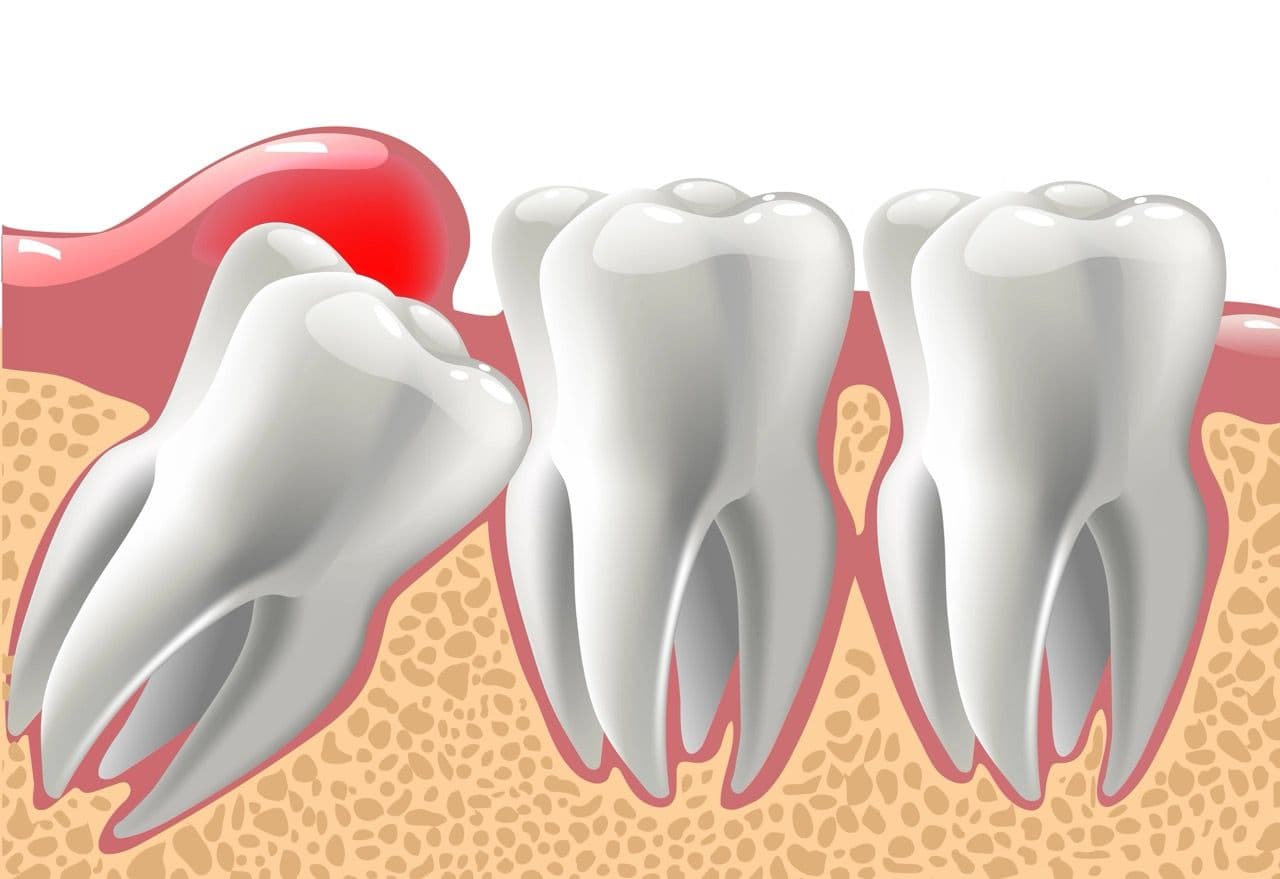
Wisdom teeth, or third molars, typically emerge between ages 17 and 25, long after the rest of your adult teeth have settled in. Evolution hasn’t caught up with our shrinking jaws, so these latecomers often lack space and proper alignment.
When wisdom teeth become impacted, infected, or misaligned, they can damage neighboring teeth, lead to chronic pain, and cause serious oral health issues. Removing them prevents small problems from ballooning into expensive, complicated treatments.
Wisdom Teeth Pain and Symptoms
1. Impacted Wisdom Teeth Can Damage Nearby Molars
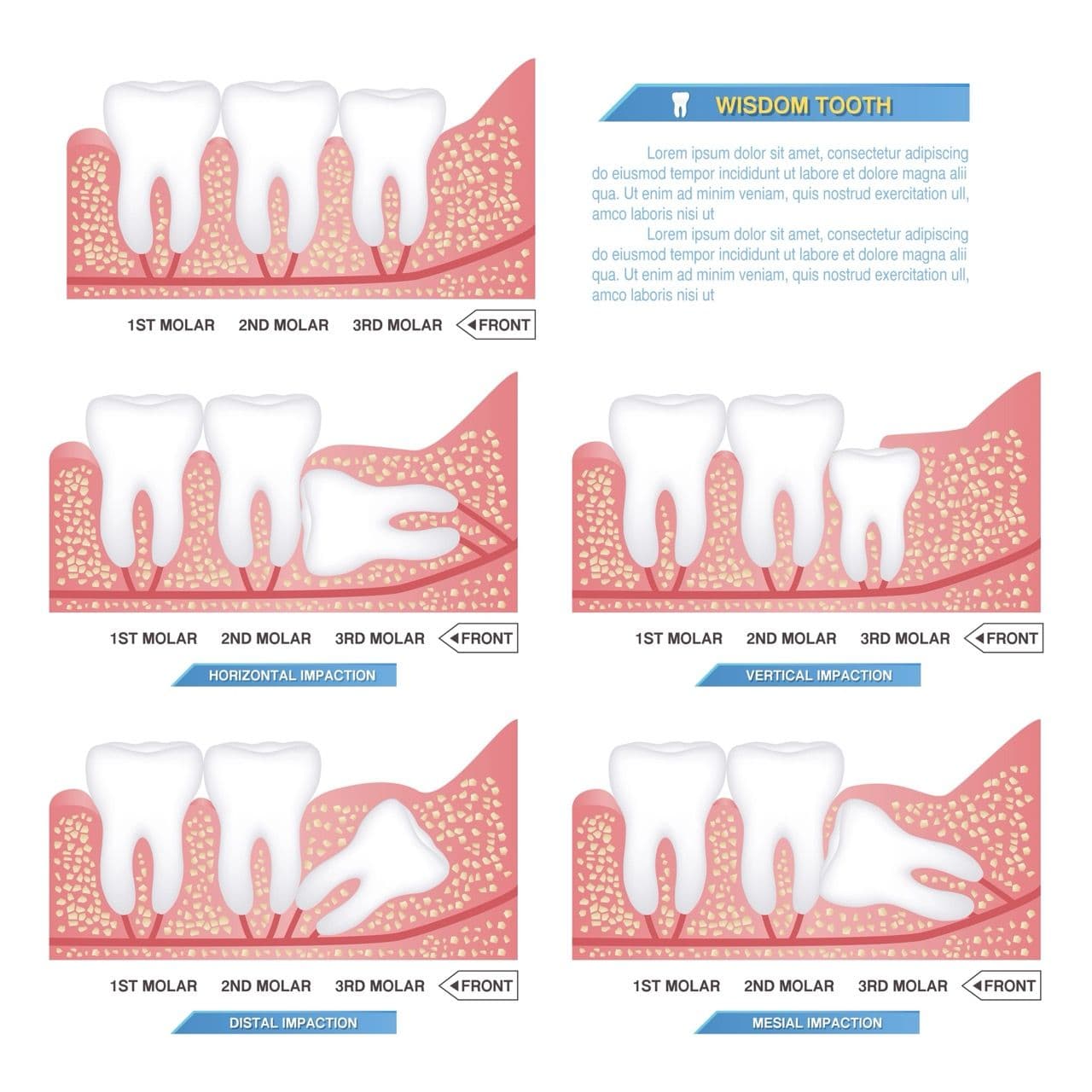
When a wisdom tooth can’t fully emerge, it presses against the second molar’s root, causing:
- Root resorption (wearing away of the neighboring tooth’s root)
- Decay in the contact area that’s impossible to clean
- Jaw aches and pain in your temple or ear
There are four impaction types: vertical, mesioangular, horizontal, and distoangular. Each has its own risks. A 2019 study found that impacted third molars (horizontal and mesioangular) were more likely to result in root resorption in neighboring second molars. Early wisdom teeth removal can preserve your healthy molars and prevent complex restorative work later.
2. Wisdom Teeth Infection and Gum Disease (Pericoronitis)
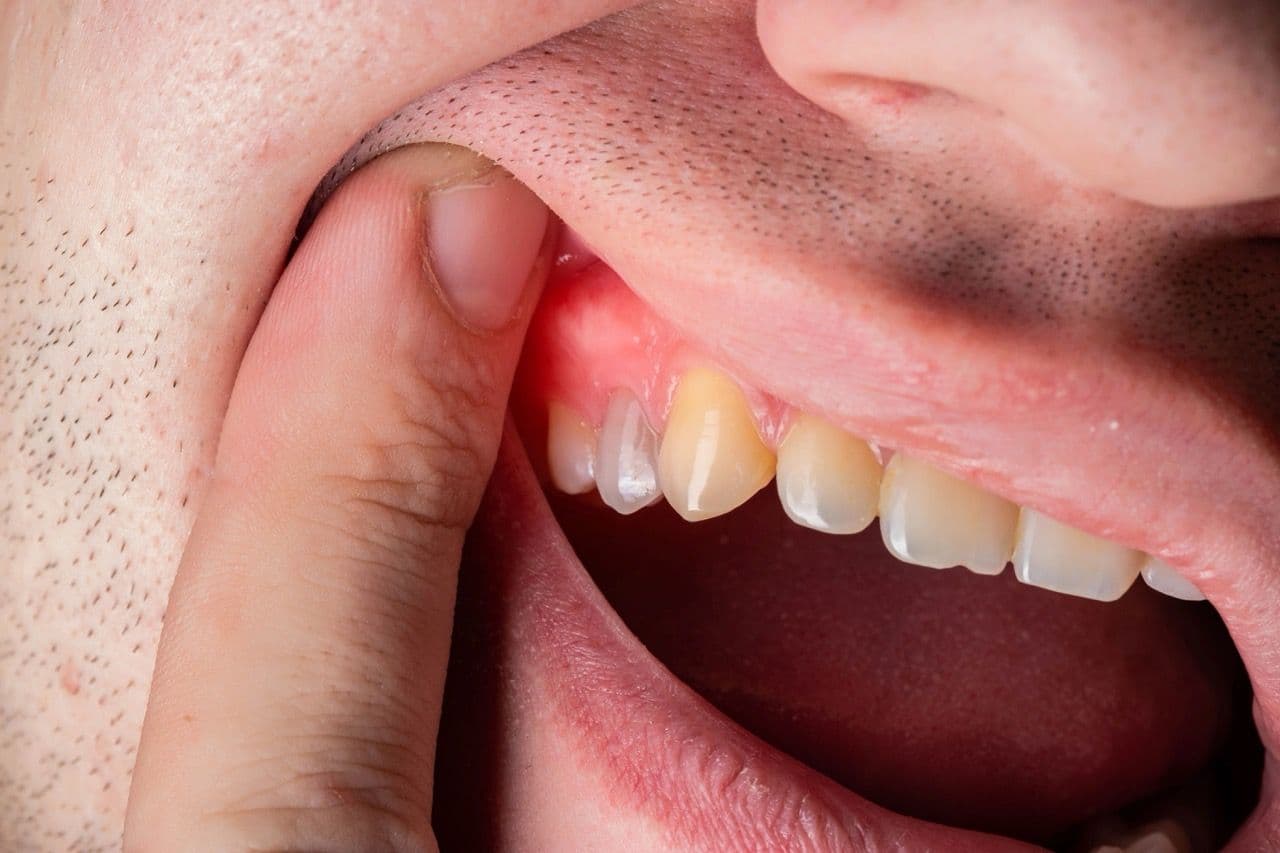
Partially erupted wisdom teeth create a flap of gum tissue called an operculum. Food and bacteria collect beneath it, leading to pericoronitis, an infection marked by:
- Swollen, tender gums around the tooth
- Bad breath and a foul taste in your mouth
- Difficulty opening your jaw (trismus)
Left untreated, pericoronitis can spread to surrounding tissues and even into the jawbone. Wisdom teeth cause 95% of pericoronitis infections.
3. Cysts, Tumors, and Bone Loss
A wisdom tooth follicle sometimes fills with fluid, forming a dentigerous cyst. Over time, this cyst:
- Erodes jawbone, weakening the support for adjacent teeth
- Can evolve into rare tumors, requiring more extensive surgery
- May damage nerves, leading to numbness or tingling
Cyst formation affects roughly 5.3% of impacted wisdom teeth. Removing them early eliminates the risk of jaw fractures and aggressive pathology.
4. Crowding: Myth vs Reality
It’s a common belief that wisdom teeth push other teeth out of place, causing crowding. And while it makes intuitive sense, it’s not always the case. Below is a quick “Myth vs. Reality” comparison to clear up the confusion:
5. Wisdom Teeth Pain, Swelling, and Jaw Stiffness
Impacting wisdom teeth can inflame the surrounding bone and soft tissue, causing:
- Persistent dull ache that worsens with chewing
- Swelling around the jaw, face, and neck
- Nerve pressure
- Headaches
- Trismus (inability to fully open the mouth)
These symptoms may come and go but often worsen over time. Removal provides lasting relief and prevents complications like infection tracking into facial spaces.
6. Hard-to-Reach Teeth Mean Higher Cavity Risk
Wisdom teeth sit at the back of the mouth, making them inherently difficult to clean. These molars have a higher incidence of cavities and gum inflammation compared to other teeth. Around 30% to 60% of individuals with impacted wisdom teeth have an extraction due to disease. By removing them, you simplify oral hygiene and reduce the risk of decay that can spread to healthy teeth.
Why Experts Now Say Not to Remove Your Wisdom Teeth
Not all wisdom teeth require removal. According to ADA and NICE guidelines, fully erupted, symptom-free wisdom teeth that are properly aligned, free of decay or gum disease, and easily cleaned with routine brushing and flossing can be monitored with:
- Annual panoramic X-rays
- Diligent hygiene
- Routine dental exams
A simple watch-and-wait approach reduces unnecessary surgery and focuses care where it’s needed.
Wisdom Teeth Removal Side Effects
Having your wisdom teeth extracted can prevent the issues mentioned above but patients can sometimes experience problems as a result of this procedure. A wisdom tooth extraction that goes totally as planned can cause pain and swelling in the days following the procedure, but some patients also experience less common side effects such as the following:
- Dry socket: When the blood clot covering the socket after extraction dislodges, or never develops. This postoperative complication can be painful and cause delayed healing.
- Infection: Although it’s rare, any dental extraction could cause an infection if it does not heal correctly. Patients should look out for symptoms like worsening pain and swelling, or a bad taste or odor.
- Nerve damage: In rare cases, wisdom teeth removal can cause nerve damage, leading to numbness and tingling in the mouth, tongue or chin – this tends to be temporary.
- Sinus problems: Removing upper wisdom teeth can sometimes affect your sinuses, causing pain and pressure in this area, or leading to an infection. Sometimes if the tooth’s roots were very long, the extraction can cause a gap to be left between the mouth and the sinuses. Patients should not blow their noses, use a straw, or spit forcefully for two weeks to help prevent sinus issues.
Why Early Removal (Ages 15–22) Is Easier and Safer
Younger jaws have less dense bone and incomplete root development, which means:
- Shorter procedures
- Lower risk of nerve injury
- Faster healing and less post operative discomfort
Delaying extraction into your late twenties or beyond can result in longer surgeries, increased swelling, and higher complication rates.
Early removal takes advantage of natural developmental windows, making the process smoother and recovery quicker.
| FACTOR | EARLY REMOVAL (15-22) | DELAYED REMOVAL (>LATE 20s) |
|---|---|---|
| JAWBONE DENSITY | Softer, more malleable bone; easier surgical access | Denser bone requires more force and time to extract |
| ROOT DEVELOPMENT | Roots are incomplete; minimal root-tip proximity to nerves | Fully formed roots; increased risk of nerve irritation |
| SURGICAL COMPLEXITY | Shorter, simpler procedure (often under 30 minutes) | Longer, more involved procedure (45–90 minutes) |
| ANESTHESIA NEEDS | Local anesthesia is often sufficient; lighter sedation options | Greater likelihood of IV sedation or general anesthesia |
| HEALING TIME | Faster soft-tissue healing; swelling peaks ~48 hours | Slower tissue recovery: swelling may peak ~72 hours |
| COMPLICATION RATE | Lower risk of dry socket, nerve injury, and infection | Higher risk of complications and prolonged recovery |
| OVERALL PATIENT COMFORT | Less postoperative pain and quicker return to activities | More discomfort, longer downtime, and larger bruising |
How Much Does Wisdom Teeth Removal Cost?
In the U.S. in 2025, removal fees can range from $250 to $2,500 per tooth. Factors include:
- Type of impaction (simple vs. surgical)
- Anesthesia choice (local vs. IV sedation)
- Provider expertise and geographic location
There are also different ways to cover the costs including:
- Dental insurance plans cover simple extractions but may only partially cover surgical cases.
- Flexible payment plans through Affordable Dentures & Implants financing.
Unsure About Your Wisdom Teeth? Book a Free X-Ray & Consult.
Don’t leave your oral health to chance. Schedule a free, no-obligation X-ray and consultation today. Our experienced team will review your images, discuss your options, and help you make an evidence-based decision that protects your smile for years to come.
Call: 1-800-DENTURE
