
![[object Object]](/_next/image?url=https%3A%2F%2Fcdn.sanity.io%2Fimages%2Fw75voqed%2Fproduction%2F50ac663b4bdcf1d51e8a9b965e55b6ee32075efe-4472x3354.jpg&w=3840&q=75)
If you're recovering from wisdom tooth removal, you're probably dealing with soreness, swelling, and the frustration of not knowing what’s safe to eat. Even sipping water can feel uncomfortable those first few days. It’s normal to feel unsure and hungry.
The good news? The right foods (and the right timing) can make a big difference in your recovery. In this guide, you’ll find a clear, day-by-day list of soft foods to eat after wisdom teeth removal, plus expert tips to reduce pain, protect your healing gums, and avoid complications like dry socket. From day 1 to day 7 and beyond, this recovery roadmap is backed by trusted dental guidance, so you can feel better, eat comfortably, and heal faster.
Quick-Look Table: Foods & Milestones
For quick reference, the table below summarizes each day’s typical symptoms, recommended foods, and self-care tips.
| DAY | SYMPTOMS & HEALING MILESTONES | GO-TO FOODS | CARE TIPS |
|---|---|---|---|
| Day 1 | Bleeding slows; numbness; swelling begins. | Yogurt, applesauce, pudding, smoothies (no straw), broth or cold soup. | Ice packs (20 min on/off); keep head elevated; bite on gauze until bleeding slows; avoid spitting or rinsing in first 24h. |
| Day 2 | Swelling peaks; increased soreness. | Mashed potatoes (white or sweet), pureed vegetable soup, cottage cheese, scrambled eggs, protein shake (no straw). | Continue ice packs or switch to gentle warm compress if needed; start gentle salt-water rinse after 24h (see below); no straw or vigorous spitting. |
| Day 3 | Peak pain & swelling. | Oatmeal or cream of wheat, scrambled eggs, mashed avocado, soft fruit (banana), well-cooked pasta. | Warm salt-water rinses several times/day; take prescribed pain relievers as directed; use a warm compress on swelling. |
| Days 4–5 | Swelling subsiding; more comfort. | Soft pasta (e.g. macaroni & cheese), flaky fish, steamed vegetables (carrots, zucchini), soft rice (porridge, risotto). | Apply warm compresses; brush gently away from extraction sites; return to regular oral hygiene (avoid stitches); gradually add more variety as tolerated. |
| Day 7+ | Stitches dissolved; healing well. | Soft rice bowls, tender shredded chicken, pancakes or waffles, soft sandwiches (no crusts). | Resume a normal diet gradually; keep up checkups. Most people are mostly healed in 1–2 weeks. |
Wisdom Tooth Removal 101
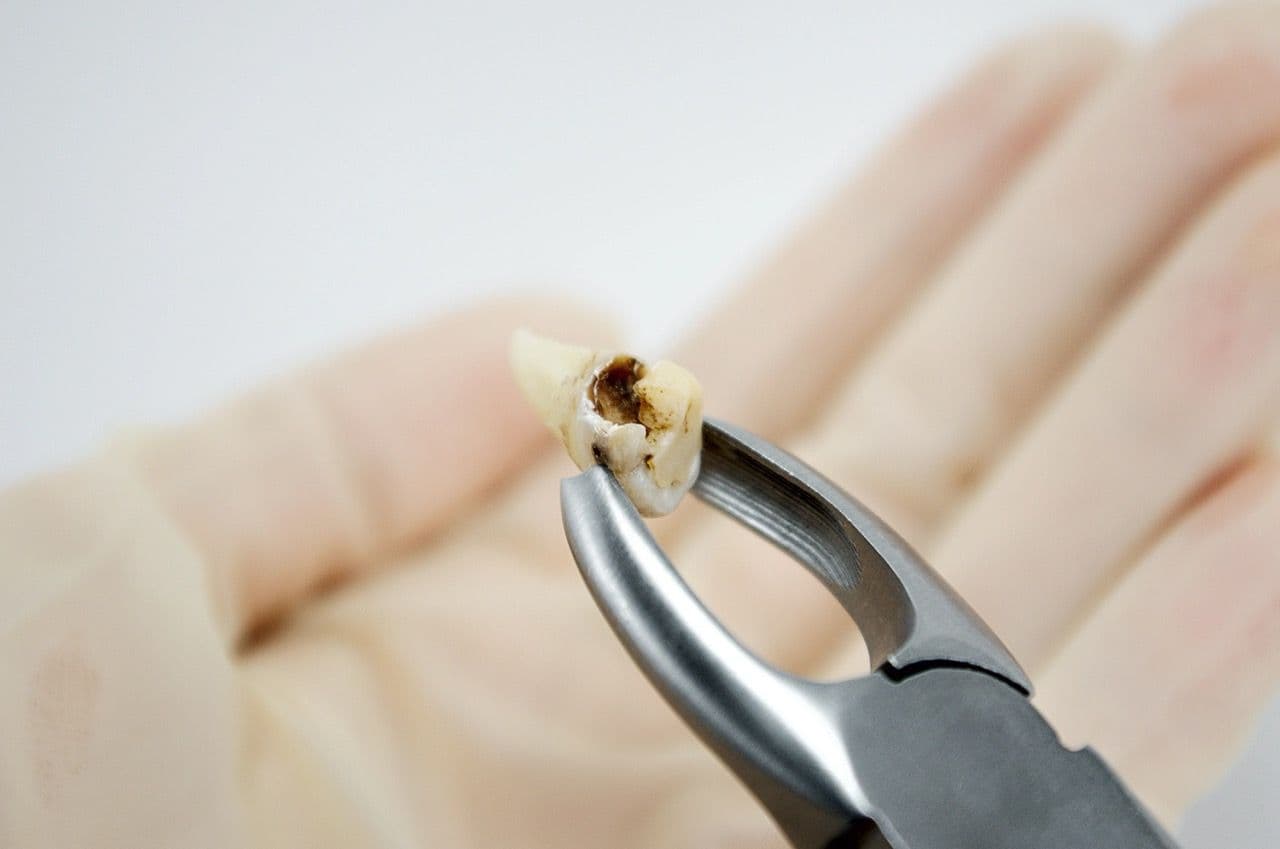
Wisdom tooth extraction can be either a simple extraction or a more involved surgical extraction. A simple extraction is when the tooth has fully erupted (grown in) and can be removed with forceps. In contrast, an impacted wisdom tooth (stuck beneath the gum or bone) often requires a surgical extraction. The dentist may make incisions in the gum or even remove bone to access the tooth.
Regardless of the type of extraction, the post-op diet is very important. Eating soft foods minimizes pressure on the healing site and helps a stable blood clot form. A stable clot protects the underlying bone and nerves. Crunchy, hard or chewy foods can tear tissue or dislodge the clot, leading to painful complications. Likewise, avoid sucking through straws, since the suction can literally yank out the clot and cause a dry socket. Treat the surgical area gently, eat soft foods, and follow all care instructions to help the wound seal and heal.
Healing Timeline After Wisdom Tooth Removal
Healing after wisdom tooth removal happens in stages and knowing what to expect each day can help you stay on track and avoid complications. While everyone heals at their own pace, most people follow a similar pattern. It’s also important to get plenty of sleep after a tooth extraction.
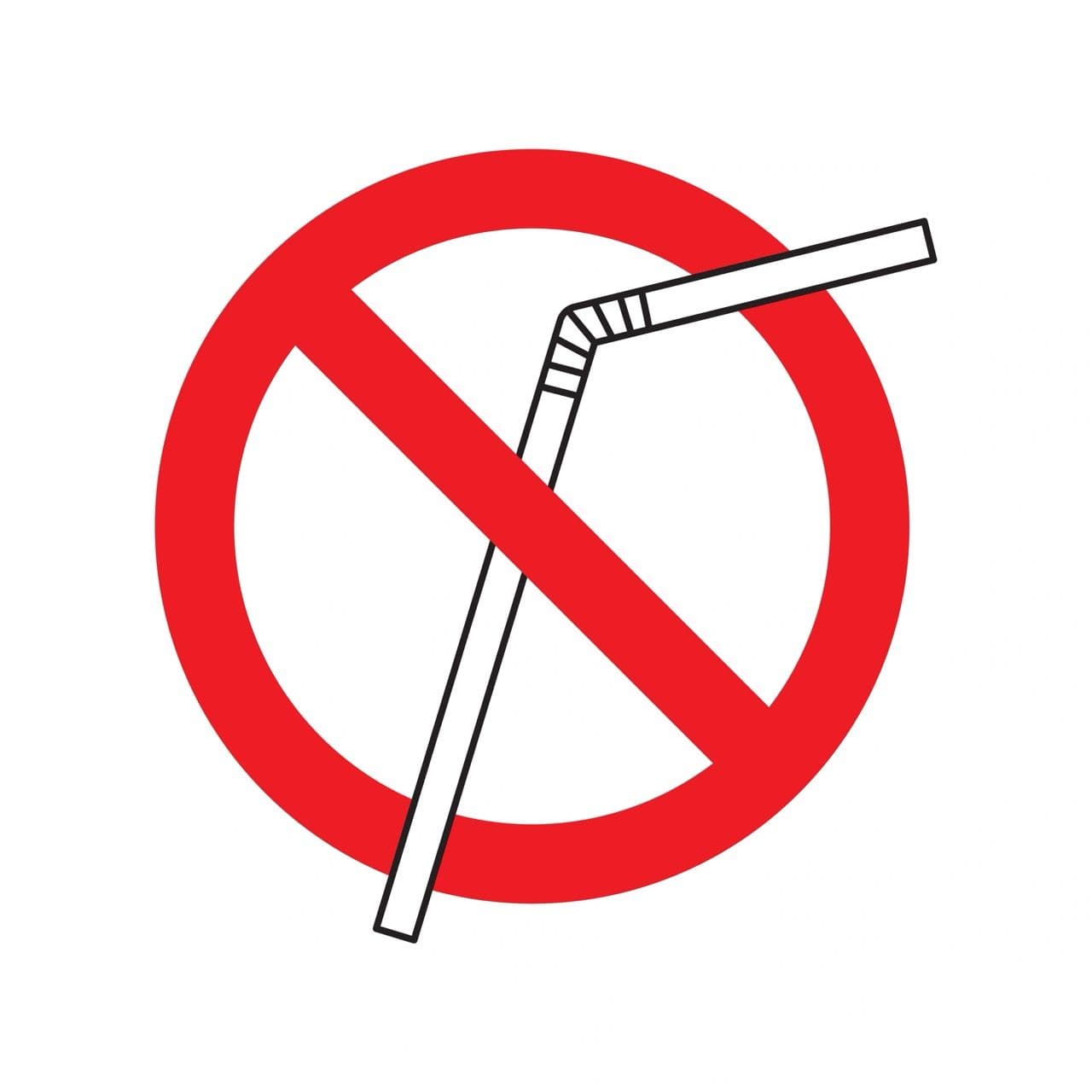
Important: Avoid using straws for at least one week after wisdom teeth extraction to prevent dislodging the blood clot.
Day 1 – 2
Expect your mouth to bleed a little and begin swelling. Keep soft gauze pads in place and bite gently until the bleeding slows. Rest and keep your head elevated. Apply an ice pack to the cheek (20 minutes on, 20 minutes off) throughout day 1 to reduce swelling.
Numbness from anesthesia is normal. Be very careful when eating or drinking so you don’t bite your lips or tongue. Stick to liquids and very soft, cool foods. Try yogurt, applesauce, blended smoothies (eat with a spoon, no straw), cold broth, or gelatin. Avoid hot foods/drinks and do not rinse or spit in the first 24 hours. Doing so can disturb the clot.
Day 3
Pain and swelling often peak on the third day. You may feel sore and stiffer. Continue with soft foods, but as swelling decreases you can handle slightly more texture. Good options include oatmeal, soft scrambled eggs, mashed avocado, or creamed soup.
Take any prescribed pain medication or over-the-counter ibuprofen/acetaminophen as directed to manage discomfort. Start a gentle warm salt-water rinse (½ teaspoon salt in a cup of warm water) 24 hours after surgery; swish very gently and spit without force. The warm saline helps clean the area and soothe tissues.
Day 4 – 7
By the end of the first week, you should see steady improvement. Swelling will be noticeably milder, and the raw gum tissue will start closing. Continue with soft but more substantial foods. For example, tender pasta dishes (like macaroni and cheese), flaky fish (salmon or tilapia), tender chicken, and well-steamed vegetables (carrots, squash) that are easy to chew. After that you can gradually reintroduce regular foods as long as you chew away from the extraction sites. Maintain good hydration and head elevation, and switch to warm compresses if there is any lingering swelling.
Weeks 2 – 4
Most healing occurs within two weeks after surgery. At this point you can usually return to your normal diet, though you may still want to avoid very hard or sticky foods if the site is still tender. Continue gentle brushing and flossing gently around the wounds. If your dentist removes the stitches, the sites may fill in with gum tissue by week 2. By week 4, you should be back to full strength eating and activities, unless your dentist advised otherwise.
You’re likely wondering, how long does it take for wisdom teeth to heal? On average, the surgical sites heal significantly within 1–2 weeks. Numbness should be gone in a few hours, most pain gone in about a week, and full bone healing by several months. However, always follow your dentist’s guidance. Healing can vary with complexity of extraction and individual health.
What to Eat After Wisdom Teeth Removal – Day-by-Day
Your recovery diet isn’t just about comfort, it’s about protecting the healing site, preventing dry socket, and giving your body the fuel it needs to heal. Here’s a day-by-day food guide to help you stay nourished without slowing your recovery.
What to Eat on Day 1 After Wisdom Teeth Extraction
Right after surgery, your mouth will be numb and tender. Bleeding may continue for a few hours, and swelling will begin. Stick to cold or room-temperature foods that require no chewing and won’t irritate the extraction site. You can also use broth ice cubes to suck on. Eat slowly and in small bites. These gentle foods provide nutrition without irritating the fresh wound.
- Plain yogurt
- Chilled applesauce
- Pudding
- Gelatin
- Milkshakes (no straw)
- Smoothies (no straw)
- Mashed banana
- Broth (lukewarm or cold)
Foods to Eat Day 2 After Wisdom Teeth Extraction
Swelling typically peaks today, and soreness may increase. You can introduce soft, warm foods with more substance, but still avoid chewing. You might blend soft beans or lentils into dips or soups for extra protein. Drink plenty of water or non-citrus juice (no straw). Avoid hot, spicy or crunchy foods. Try:
- Creamy mashed potatoes (or sweet potato)
- Pureed vegetable soup (lukewarm)
- Smooth oatmeal
- Cream of wheat
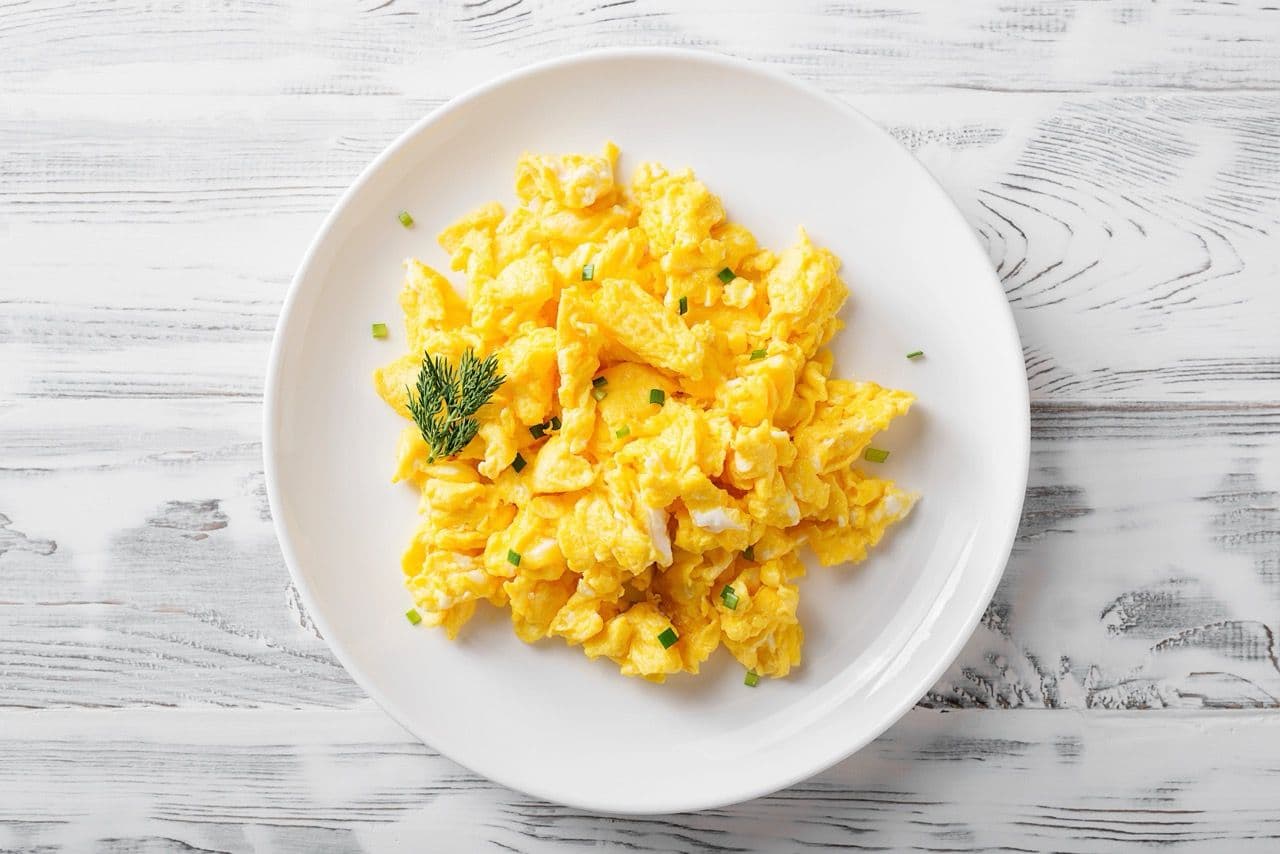
- Soft scrambled or poached eggs
- Cottage cheese or ricotta
- Hummus or smooth bean dip
- Protein smoothie (drink from a spoon)
What Foods to Eat on Day 3 After Wisdom Tooth Extraction
By now most people can tolerate more texture, though the extraction sites are still tender. Chew with your front teeth if possible and avoid biting on the surgery sites.
Good choices include:
- Warm (not hot) oatmeal
- Cream of wheat
- Avocado mashed with a fork
- Well-cooked pasta (macaroni & cheese)
- Ripe banana
- Soft fish like flaky salmon or tilapia (baked and gently flaked)
- Rice porridge
- Steamed soft vegetables (e.g. carrots, zucchini)
- Cottage cheese
- Applesauce
What to Eat 4 - 5 Days After Wisdom Teeth Removal
By now, swelling should begin to subside. You can expand your menu with soft solids that require light chewing. Make sure meat is very tender or shredded. You can also eat pancakes, soft bread (without crusts), and dairy like yogurt or custard. Try:
- Pasta or risotto
- Soft-cooked rice bowls
- Tender baked chicken or ground meats (meatloaf or meatballs)
- Flaky fish
- Well-cooked lentils or chickpeas
- Soft-cooked beans
- Soft-cooked eggs (omelet)
- Tofu
What to Eat After Wisdom Teeth Removal: Day 7 & Beyond
Most people are ready for nearly normal foods by this point. Continue to favor softer dishes initially. Soft-cooked rice or quinoa, tender stews, and pancakes are good. Gradually reintroduce crunchy items (chips, raw veggies) only if you feel no pain. The key is to listen to your comfort. If chewing still hurts, go back to softer choices for another day or two. By the end of week 2 you should be able to resume a regular diet.
- Soft rice dishes (fried rice, risotto)
- Tender shredded meats (chicken or beef)
- Pancakes or French toast
- Soft sandwiches (no hard crust)
- Steamed vegetables
- Soft fruits (peeled and sliced apples, seedless melon)
Foods & Habits to Avoid
To prevent complications like dry socket and irritation, skip these for the first week (and ideally until fully healed):
- Crunchy/Hard foods: Chips, popcorn, nuts, hard taco shells. These can scratch or get stuck in sockets.
- Chewy items: Bagels, jerky, gummy candies or gum. These pull on stitches and clots.
- Spicy, acidic or tart foods: Citrus fruits, salsa, tomato sauce, vinegar-based foods. These can irritate your healing gum tissue.
- Hot foods & drinks: Coffee, tea, soups (hot). Wait at least 24–48 hours. Heat can increase bleeding and pain.
- Alcohol & carbonated drinks: These slow healing and may dissolve the clot.
- Straws, cigarettes, smokeless tobacco: Suction from straws, smoking or vaping will dislodge the clot, causing dry socket. Avoid all forms of tobacco and sucking actions for at least 5–7 days.

After-Care Instructions to Reduce Pain & Swelling
These aftercare instructions can help reduce pain and speed recovery after a tooth extraction.
Ice vs. heat
Use an ice pack (wrapped in cloth) on your jaw for 20 minutes, then off for 20 minutes, throughout the first 24–48 hours. After 48 hours, you can switch to warm (moist) compresses to soothe any remaining soreness.
Head elevation & hydration
Keep your head propped up on pillows while resting, and drink plenty of water. Avoid caffeinated, carbonated or alcoholic beverages for the first few days.
Salt-water rinses
Do not rinse your mouth on day 1. Starting on day 2, gently swish a warm salt-water solution (½ teaspoon of salt in 8 oz warm water) for 30 seconds, 3–4 times per day. This helps clean the area without scrubbing the wound.
Pain Relief
Take prescribed or OTC pain medication as directed. Ibuprofen can help reduce inflammation, and acetaminophen can ease pain. Do not use aspirin, as it can prolong bleeding. Follow dosage instructions from your dentist or pharmacist.
Activity Level
Rest as much as possible for the first 2–3 days. Avoid bending over, heavy lifting, or vigorous exercise, as these can increase blood pressure in your face and prolong bleeding. You can resume normal activities (including work or school) after about 3–5 days or when you feel up to it.
Warning Symptoms & When to Call Your Nearest Affordable Denture Practice
Watch for signs of trouble. Contact your nearest Affordable Dentures & Implants office (or emergency care) if you experience any of the following:
- Severe throbbing pain that starts 3–5 days after surgery, possibly radiating into the ear or temple, or a bitter/foul taste in your mouth. This could be a dry socket.
- Signs of infection: Increasing pain or swelling after day 4, red streaks in your jaw, pus or yellow/white discharge from the site, or a fever over 100.4°F.
- Excessive bleeding: If gauze soaked with blood becomes soaked through continuously after 24 hours.
- Prolonged numbness: If numbness in lip, tongue or cheek persists beyond 48 hours.
- Difficulty breathing or swallowing: This is rare but serious – seek immediate care.
Your Affordable Dentures & Implants team is here to help. If you have any concerns during your recovery, call your nearest Affordable Dentures & Implants practice for guidance or to schedule a check-up. Proper aftercare and timely attention to warning signs will help you heal comfortably and get back to normal eating sooner.
